Category: Behind the Screen (GM Tips)
-

When players zone out.. #ttrpgtips #dungeonsanddragons #dnd #ttrpg
Keep them engaged with a Director’s Cut…
-
Get their attention! #ttrpgtips #dungeonsanddragons #dnd #ttrpg
For faster combat and better table engagement!
-
Better Boss Fights? Use Dynamic Terrain #ttrpgtips #dungeonsanddragons #dnd #ttrpg
Make the battlefield move and adapt to keep them on their toes..
-
Boss Battles Are Boring (but we can fix it)!
Stop running static boss fights. When the climax of a campaign turns into a stationary slugfest where everyone just stands in a circle rolling damage dice, the tension evaporates. We want our final encounters to feel like epic, dynamic movie set pieces—full of movement, real urgency, and tactical depth. In…
-
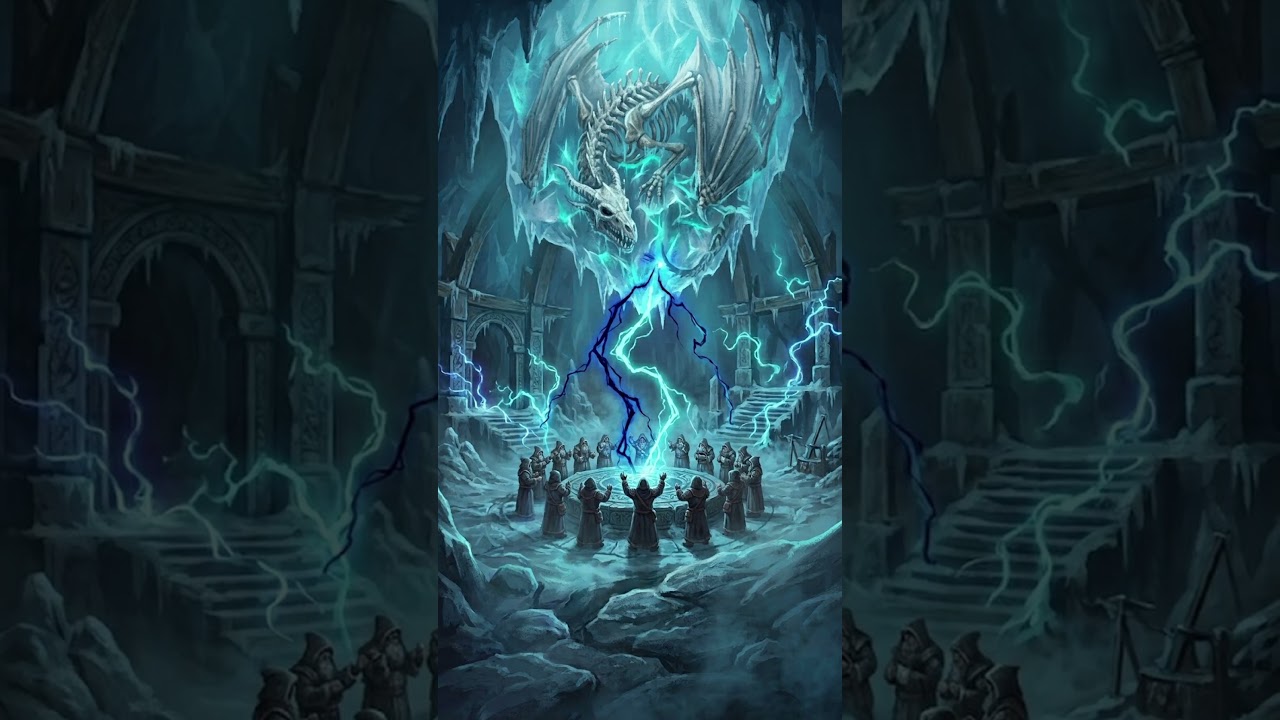
Battle Beneath the Mountain #dnd #dndideas #ttrpg #ttrpgtips
Sometimes, it’s about the room, not the fight.
-

Reward good roleplay or you’ll get murderhobos.
Good roleplay is better than good stats. When our rulebooks dedicate hundreds of pages to combat charts, weapon modifiers, and spell slots, it’s easy to accidentally train our players to be murder hobos. If the only rewards we hand out are gold, XP, and math boosts, we miss the best…
-

Reward good RP in the moment! #ttrpgtips #dungeonsanddragons #dnd #ttrpg
Reward good RP with immediate in-character bonuses to avoid Murder Hobo syndrome.
-
Don’t Roll Dice! Let the players cook. #dndtips #dungeonsanddragons #ttrpgtips #ttrpg #dungeonmaster
When they’re in the zone, don’t interrupt them…
-
Conflict Sucks! Stop it fast. #dndtips #dungeonsanddragons #ttrpgtips #ttrpg #dungeonmaster
When there’s conflict at the table, you’ve got to put a stop to it fast.